Archives
Categories

Close
2022 Conference
The 2022 conference was entitled “Ahmad Shah Massoud & The Past, Present and Future of Afghanistan.” The conference was held at Emmanuel College from September 22 to 23 in 2022, aiming to examine the legacies of governance in Afghanistan. Building on the discussions from the 2021 conference, it delved deeper into the contested histories of state-building and governance in the country. Generously supported by the University of Cambridge, this event brought together scholars, policymakers, and experts to discuss alternative approaches to governance and the historical realities of Afghanistan affecting regional security and connectivity.
The conference featured seven panels focusing on themes such as constitutional alternatives, pre-modern and modern histories, ethno-nationalism, decentralisation, as well as new scholarship on Afghanistan, regional security, and connectivity. Participants, mainly academics of all backgrounds, reflected on the failures of the post-2001 settlement, examined historical contexts, and encouraged scholarly development within the diaspora.
The event provided a timely opportunity for scholars to discuss their scholarship over the course of seven panels focused on the following themes:
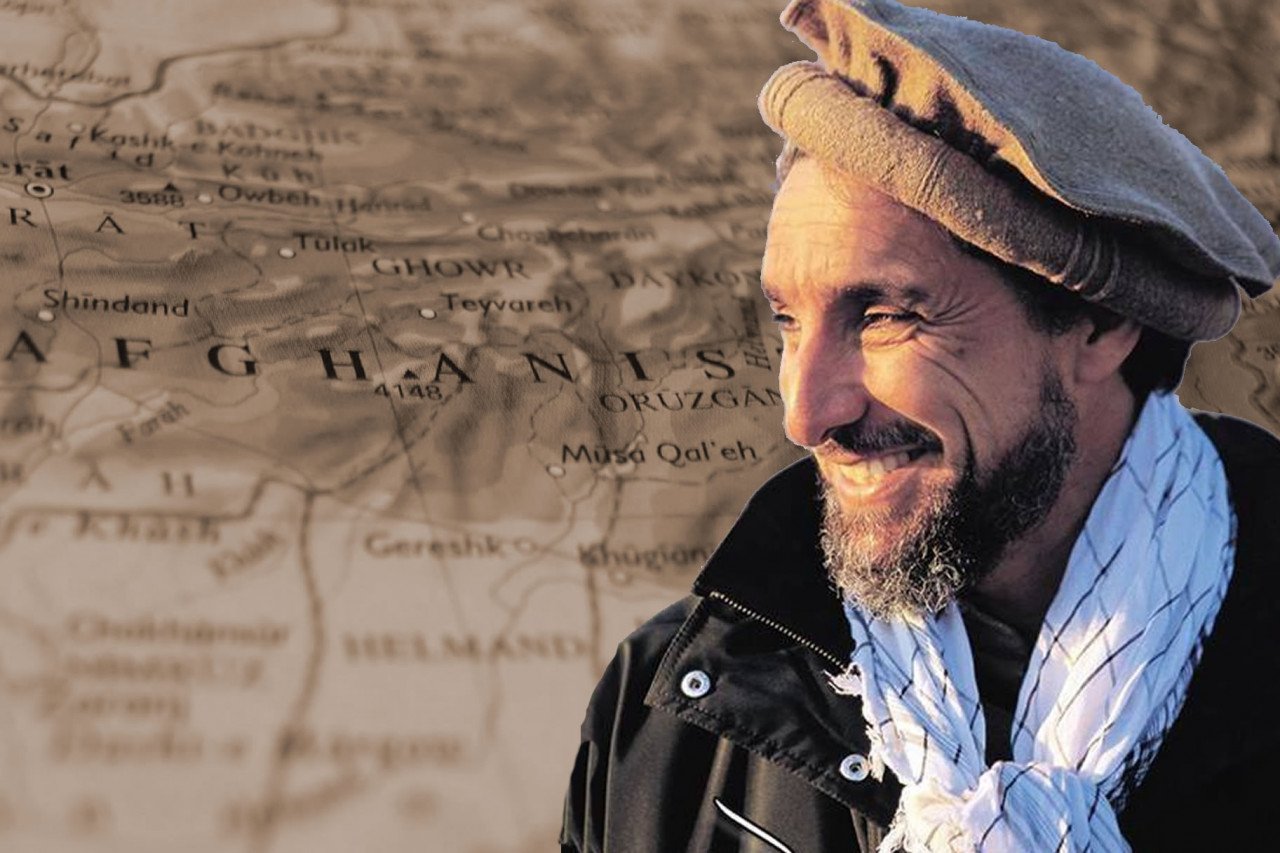
The conference facilitated substantive dialogue and scholarly exchange on the issues surrounding Afghanistan’s governance and its future trajectory.
Both conferences were organised by a distinguished Organizational Committee comprising five experts in Afghanistan studies: Mr. Zalmai Nishat from the Tony Blair Institute for Global Change; Timothy Nunan from the Free University of Berlin; Dr. Shivan Mahendrarajah, a Research Fellow at the School of History, University of St Andrews; Mr. Murid Partaw representing the University of South Florida; and Rohullah Amin from the American Institute of Afghanistan Studies. Backed by the esteemed Faculty of History at Emmanuel College and supported by a dedicated team of student assistants from Cambridge, this committee undertook the vital task of conceptualising and executing the conference. Their combined expertise and unwavering dedication ensure a meticulously planned and professionally executed event. The conference p facilitated substantive dialogue and scholarly exchange on the intricate issues surrounding Afghanistan’s governance and its future trajectory.


10:00 – 10:20
Coffee Break
10:30 – 11:00
Political Theory, Sociology and Institutional Design: Reflections on two decades in Afghanistan

11:00 – 11:30
Choosing Political Institutions: Afghanistan’s 2004 Constitution in Comparative Context
11:30 – 12:00
Has Presidentialism Hindered Democratization in Afghanistan?

12:00 – 12:30
Q & A

12:30 – 1:30
Lunch Break
13:40 – 14:00
Geographical Map of the Khurāsān according to Ancient and Medieval Sources
14:00 – 14:20
Redefining the Historical Discourse and Future Prospects of Eastern Khorasan
14:20 – 14:40
The Place of Herat in a Modern Afghanistan: An Initial Reassessment
14:40 – 15:00
Q & A
15:00 – 15:20
Coffee Break
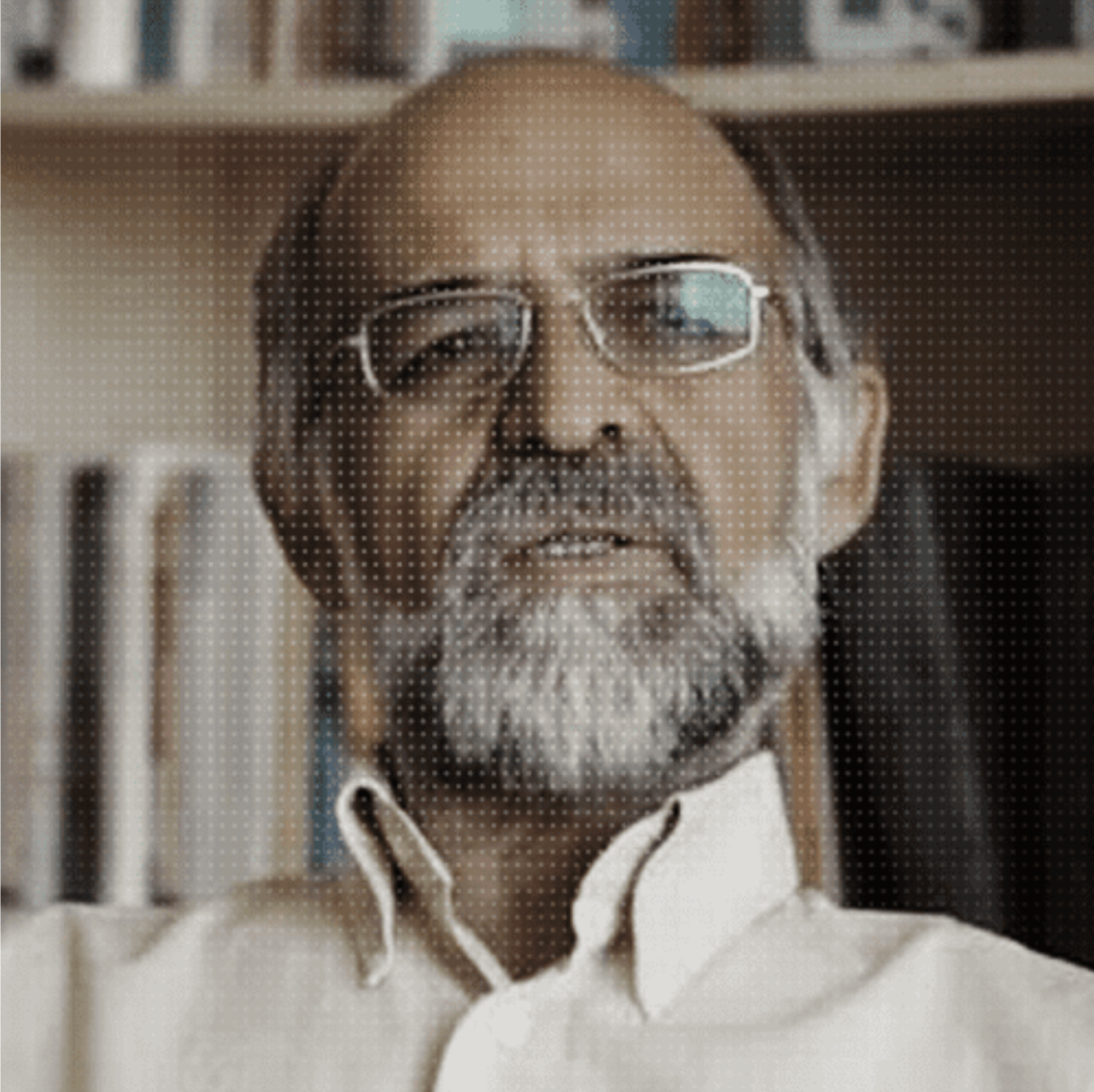
15:30 – 15:50
Foreign Patronage and the Legacies of ‘Afghan’ Ethnopolitics
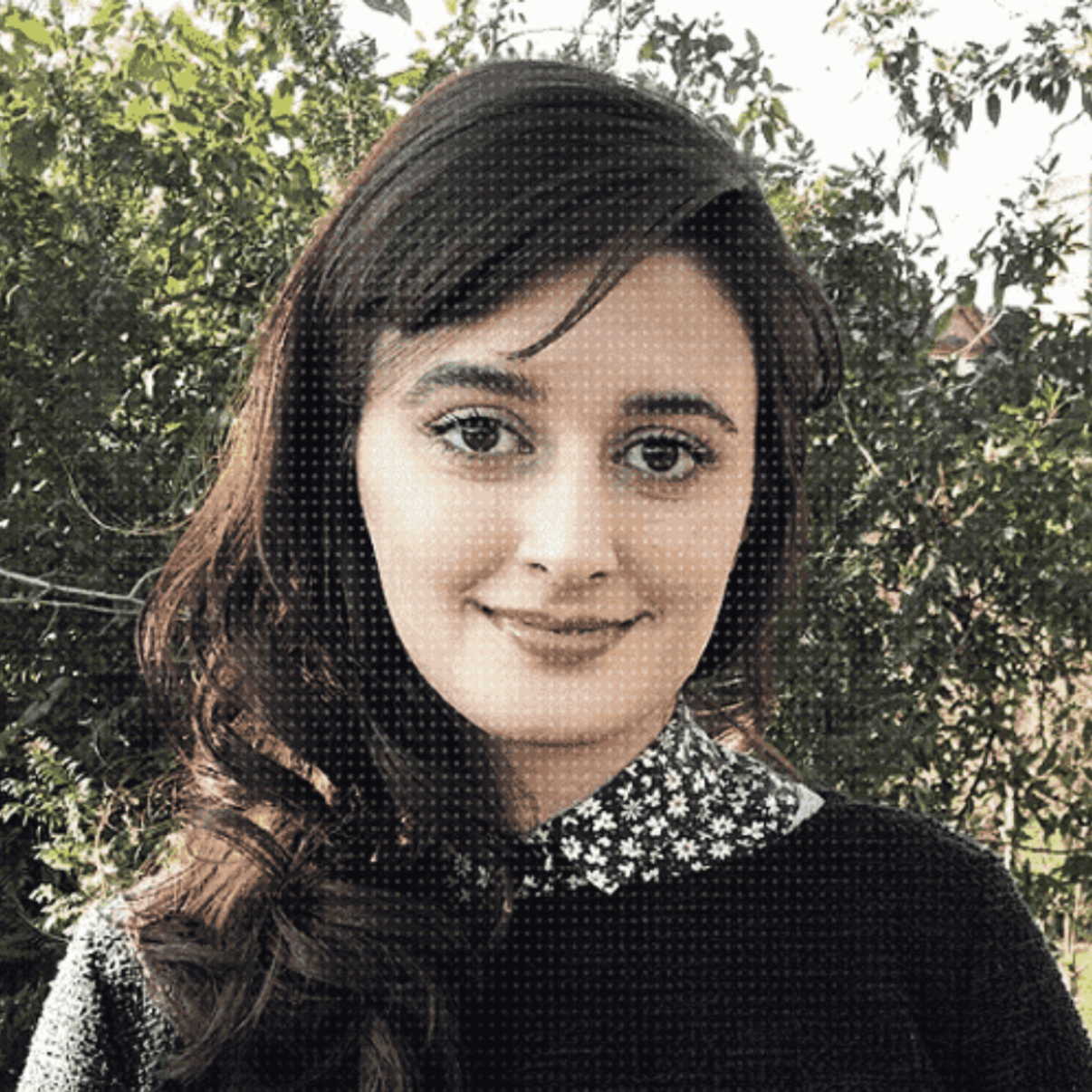
15:50 – 16:10
Ethnonationalism and Nation-State Building Failures in Afghanistan
16:10 – 16:30
Remembering and Forgetting in War Time Pasts and Present in Afghanistan
16:30 – 16:50
Coffee Break
9:10 – 9:30
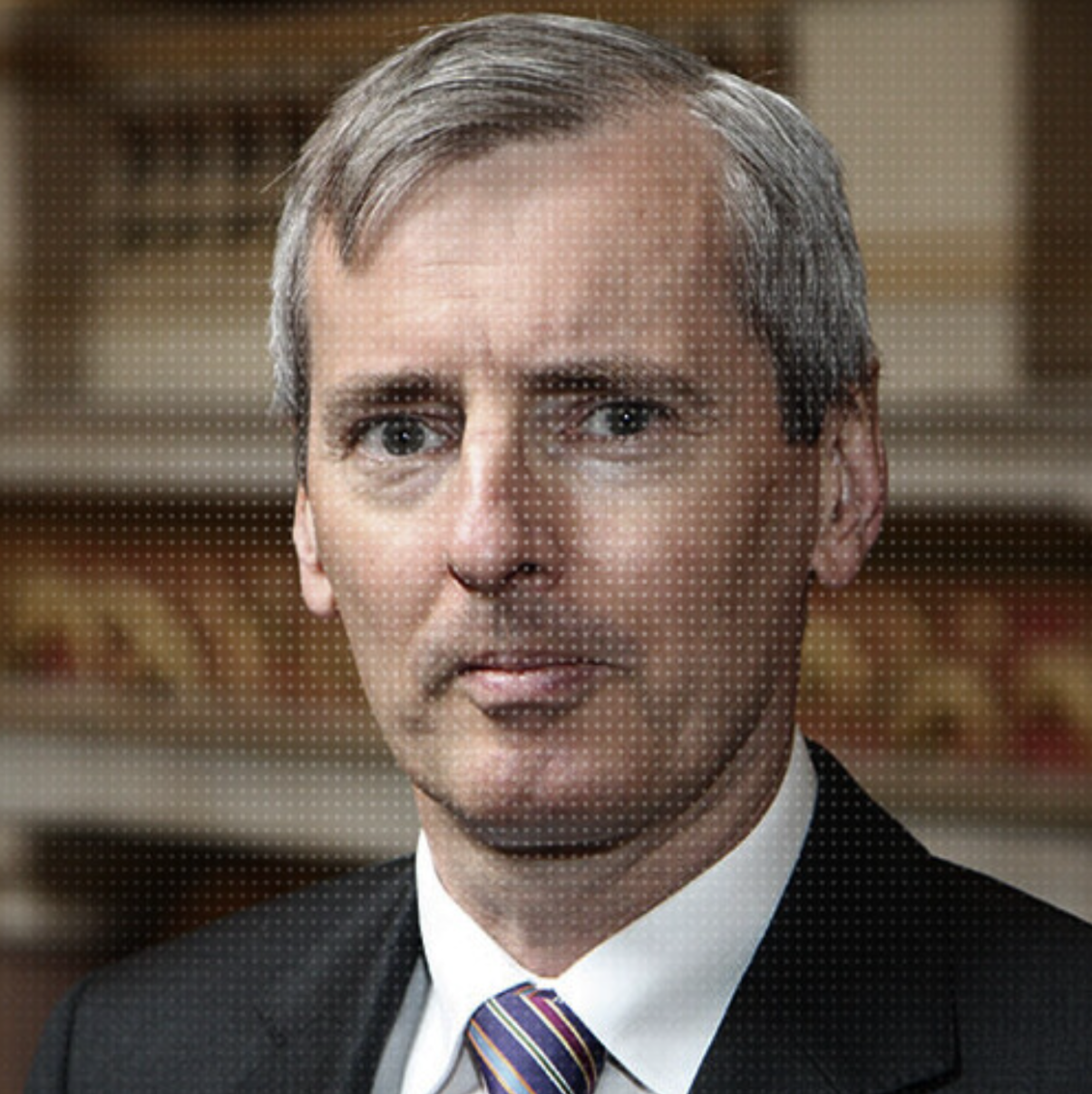
Keynote Address: Taliban’s Totalitarian Regime; British Repentance
By: Davood Moradian
9:50 – 10:20
Coffee Break


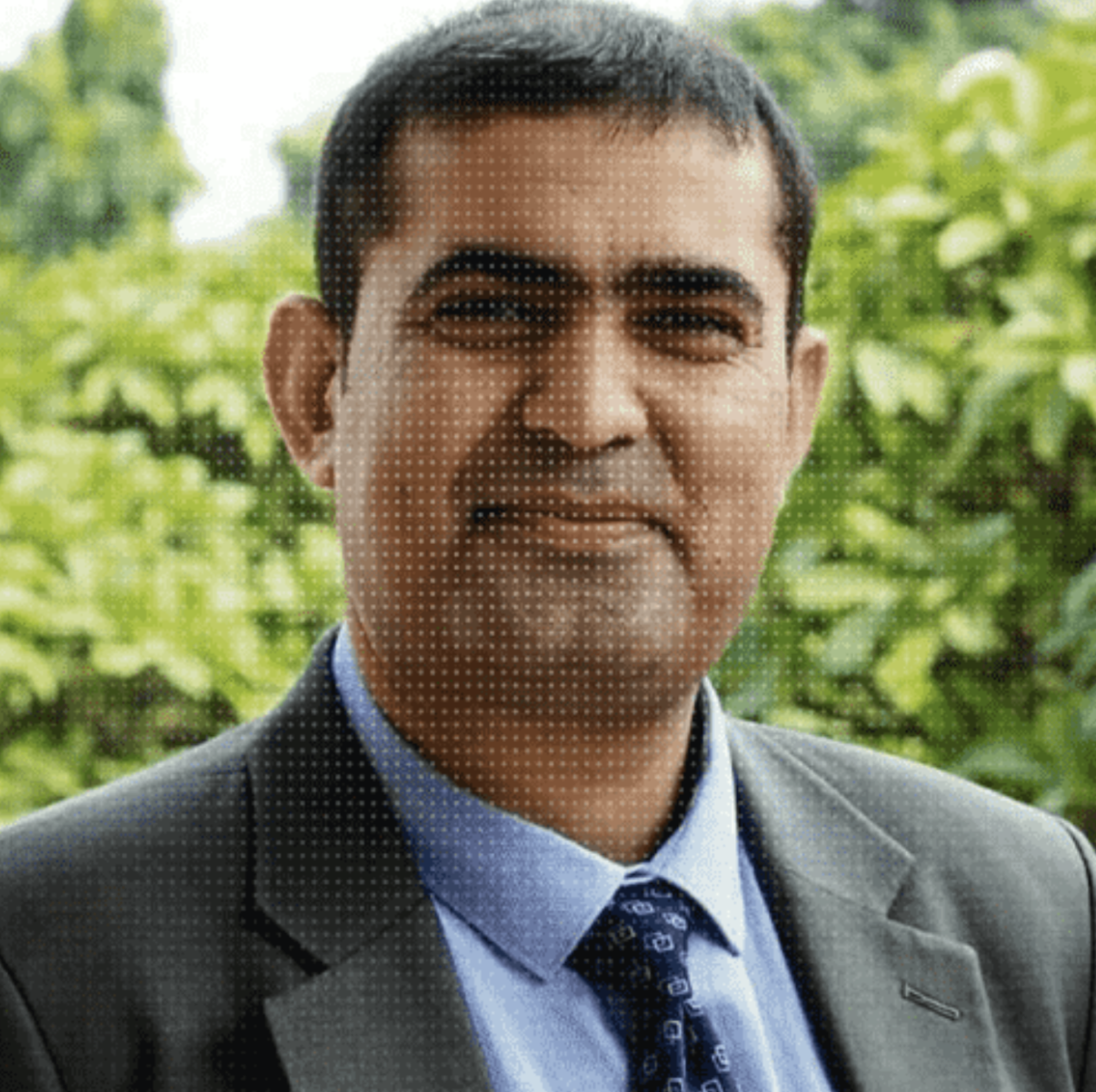
10:30 – 10:45
Writing a People’s History of Afghanistan
10:45 – 11:00
Identity Revival and Nation Building: Updating Khorasani Identity for Modern Afghanistan
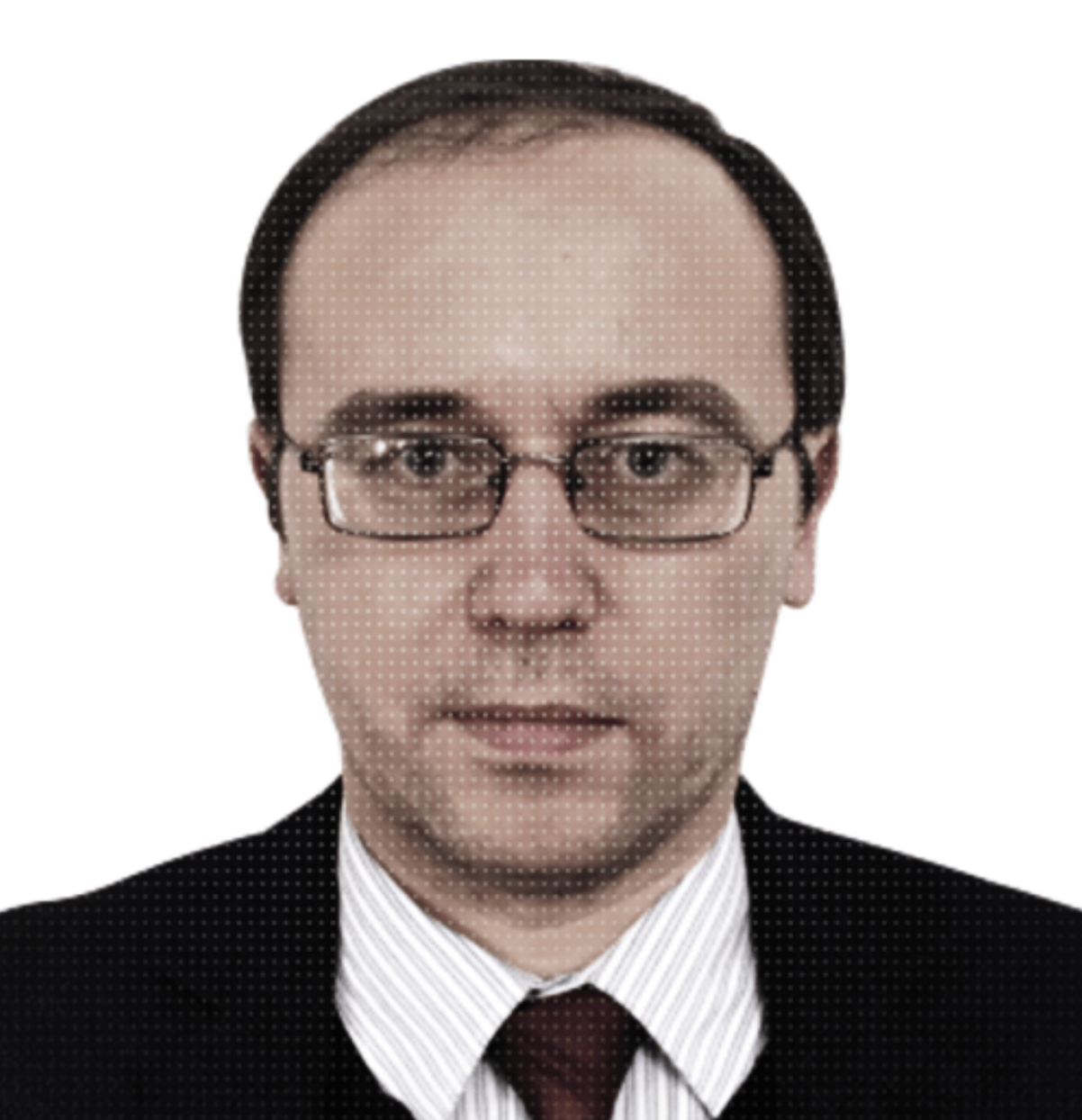
11:00 – 11:15
Beyond “Progressive” and “Retrograde”: Political Ideas and Practice of the Islamic Society of Afghanistan
11:15 – 11:30
Local Autonomy and Overlordship in Late Antique Bactria
11:30 – 11:45
Q & A
11:45 – 12:30
Lunch Break

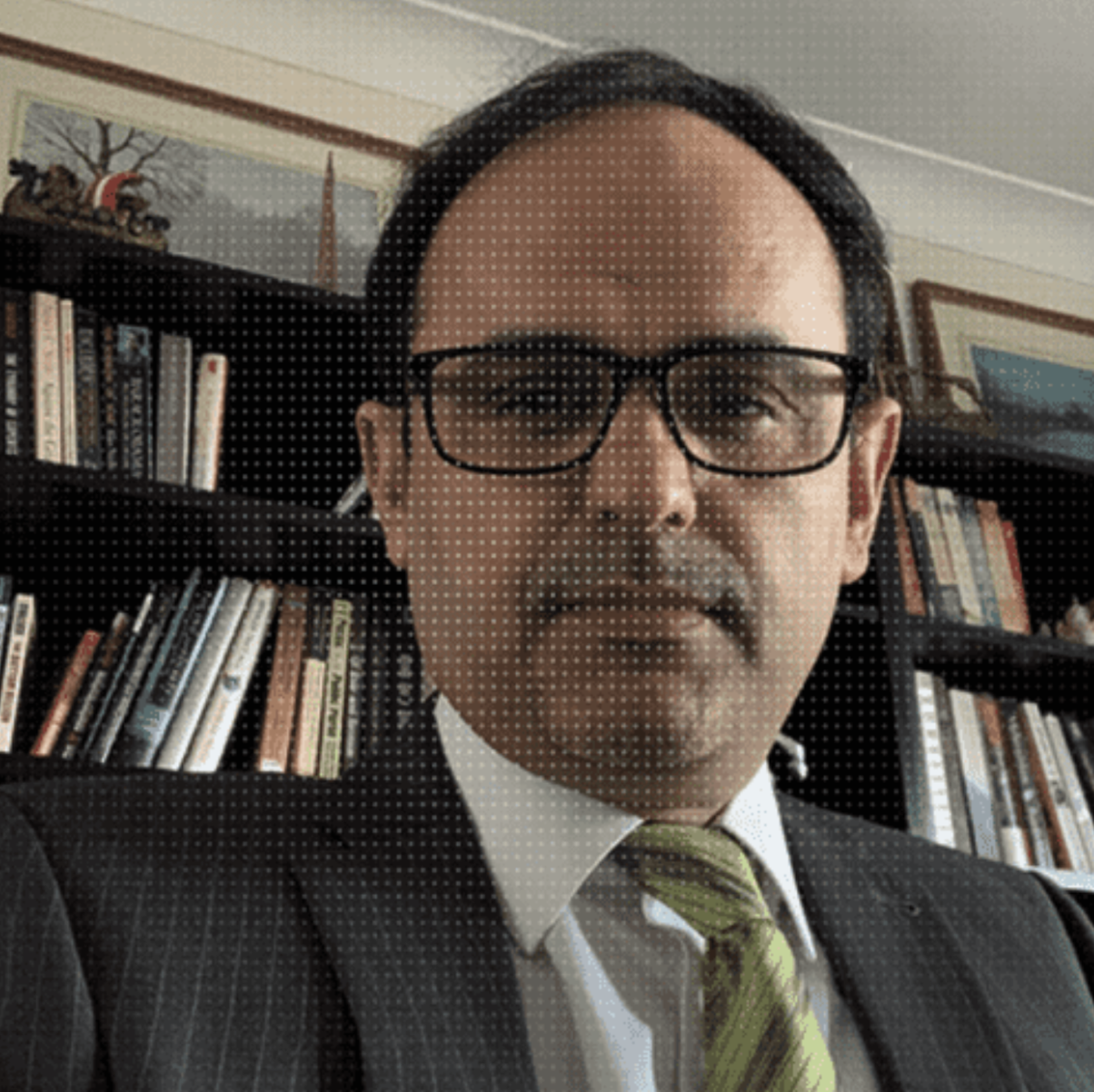
12:40 – 12:155
State and Centralisation of Power in Afghanistan: A Political Economy Analysis
12:55 – 13:10
Federalism: A recipe for disintegrated Afghanistan?
By: Ofran Badakhshani
13:10 – 13:25
The Failure of Democracy in Afghanistan
13:25 – 14:40
Q & A


13:50 – 14:05
Breaks That Bind: Border Communities in Badakhshān
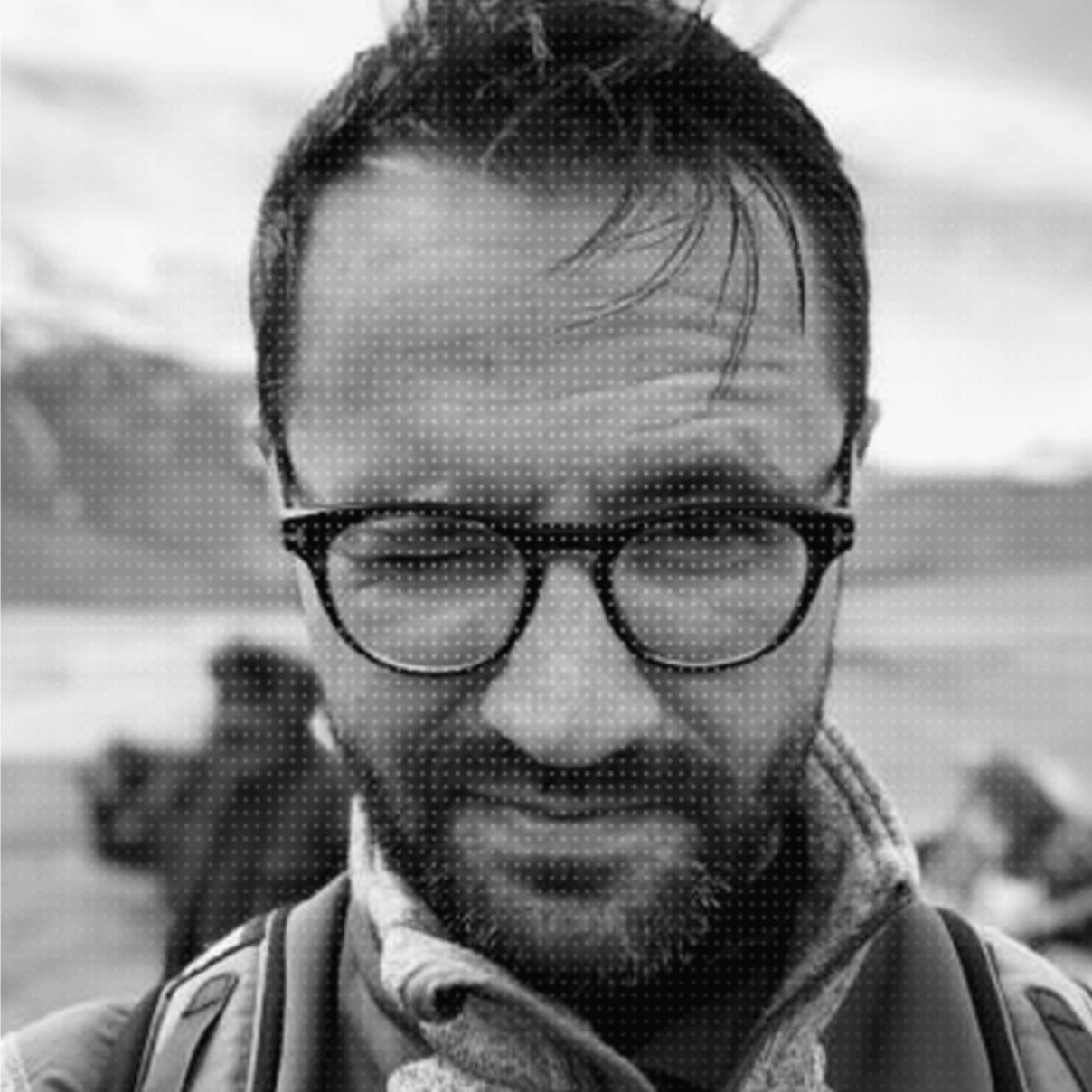
14:05 – 14:20
Across High Pastures: Vertical Connectivity in the Borderlands of Badakhshan

14:20 – 14:45
Physical Accessibility and New International Contacts in Tajikistan’s Pamirs since 1991
14:35 – 14:50
Q & A
14:50 – 15:10
Coffee Break

15:20 – 15:35
Uzbekistan-Afghanistan relations after the Taliban takeover in 2021
By: Akram Umarov
15:35 – 16:50
Pakistan – Living with the old and Surviving the New Taliban
By: Ayesha Siddiqa
16:05 – 16:20
Q & A